


By: Syed Majid Gilani
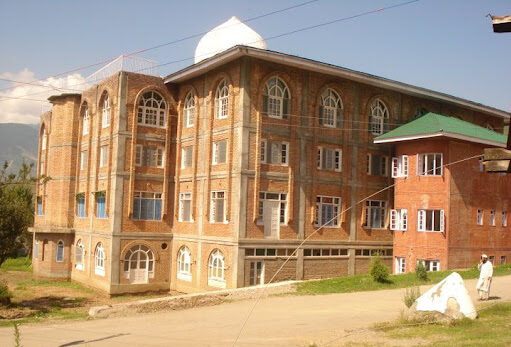
Dar-ul-Ulooms across Jammu and Kashmir have played a significant role in shaping the religious and spiritual framework of society. These institutions have been instrumental in producing countless Islamic scholars, Imams, Hafiz-e-Quran, and Moulvis, who have dedicated their lives to serving the community. Today, most mosques in the region have Imams who are alumni of one or the other Dar-ul-Uloom. While their contribution to religious education is invaluable, it is time to broaden the horizons of these institutions and align them with the demands of the modern world.
Imagine a future where an Imam is not only a Hafiz-e-Quran but also a technocrat, doctor, or engineer. This vision of blending religious knowledge with modern education would revolutionize the role of Dar-ul-Ulooms and significantly enhance their impact on society. The need of the hour is to transform these institutions into centers of holistic education, where students can gain spiritual depth and worldly wisdom simultaneously.
Currently, the curriculum offered by most Dar-ul-Ulooms is exclusively focused on religious studies. While this remains essential, it limits students’ potential in a rapidly evolving world where job-oriented education and technical skills are highly sought after. By introducing modern subjects such as science, mathematics, technology, and vocational training, these institutions can equip students with the tools needed to excel in various professional fields.
The integration of modern education alongside religious studies would make Dar-ul-Ulooms more productive and relevant in today’s context. Vocational courses, technical training, and extracurricular activities would not only enhance the employability of students but also make the education process more dynamic and appealing. This approach would ensure that graduates of Dar-ul-Ulooms are prepared to take on diverse roles in society, from serving as spiritual leaders to excelling in professions like medicine, engineering, teaching, and administration.
A balanced mix of Islamic and modern education would also infuse graduates with a unique blend of values and skills. Islamic teachings on compassion, hard work, honesty, and loyalty can complement the practical knowledge gained through modern education. Such individuals would be better equipped to address the challenges of the modern world while staying rooted in their spiritual principles.
Reimagining Dar-ul-Ulooms as institutions of comprehensive education would not only elevate their status but also empower their graduates to serve society in multifaceted ways. Instead of being confined to the role of mosque Imams, they could lead prayers while also contributing as doctors, engineers, technologists, journalists, and administrators. This transformation would enhance the societal perception of Dar-ul-Uloom graduates and make these institutions more attractive to the youth.
The vision for the future should be to see students from Dar-ul-Ulooms gaining admission to professional colleges, securing prestigious positions, and excelling in both religious and secular domains. By doing so, these institutions would create a new generation of leaders who embody a perfect balance of spiritual wisdom and worldly knowledge.
The time has come to modernize Dar-ul-Ulooms and expand their scope. By embracing change and integrating modern education with religious studies, these institutions can play a pivotal role in shaping a skilled, enlightened, and morally upright human resource. Let us encourage the heads of these institutions and society at large to reflect on this need and work towards realizing this vision. Together, we can ensure that Dar-ul-Ulooms continue to be centers of excellence that prepare individuals to thrive in both this world and the hereafter.
Syed Majid Gilani is a writer and serves as a GST Inspector for the Government of Jammu & Kashmir. He can be reached at syedmajid6676@gmail.com.


