


Mohammad Hanief
Smoking is often treated as an ordinary habit, a social activity or a temporary means of relieving stress. Yet its consequences extend far beyond the momentary pleasure associated with nicotine. From the first puff, tobacco smoke begins affecting the body, damaging tissues and organs and exposing the smoker to thousands of harmful chemicals. What may begin as curiosity or occasional use can gradually develop into dependence, making quitting increasingly difficult.
The need to address tobacco use has become even more important in the present era, when public health is increasingly focused on preventing chronic diseases and improving the quality of life of communities. Tobacco remains one of the major preventable causes of disease and premature death in India, contributing to cancer, cardiovascular diseases, respiratory illnesses and other serious health conditions. The Union Government’s National Tobacco Control Programme continues to focus on awareness, enforcement, prevention and cessation services across the country.
The situation deserves particular attention in Jammu and Kashmir. The available Global Adult Tobacco Survey (GATS-2) data cited in the original assessment of the region recorded smoking prevalence at 20.8 per cent among adults, with substantially higher prevalence among men than women. These figures come from GATS-2, conducted in 2016-17, and therefore should be understood as the latest nationally comparable survey data rather than as a newly measured 2026 prevalence estimate. The same data showed that tobacco use in Jammu and Kashmir involved both smoking and smokeless products.
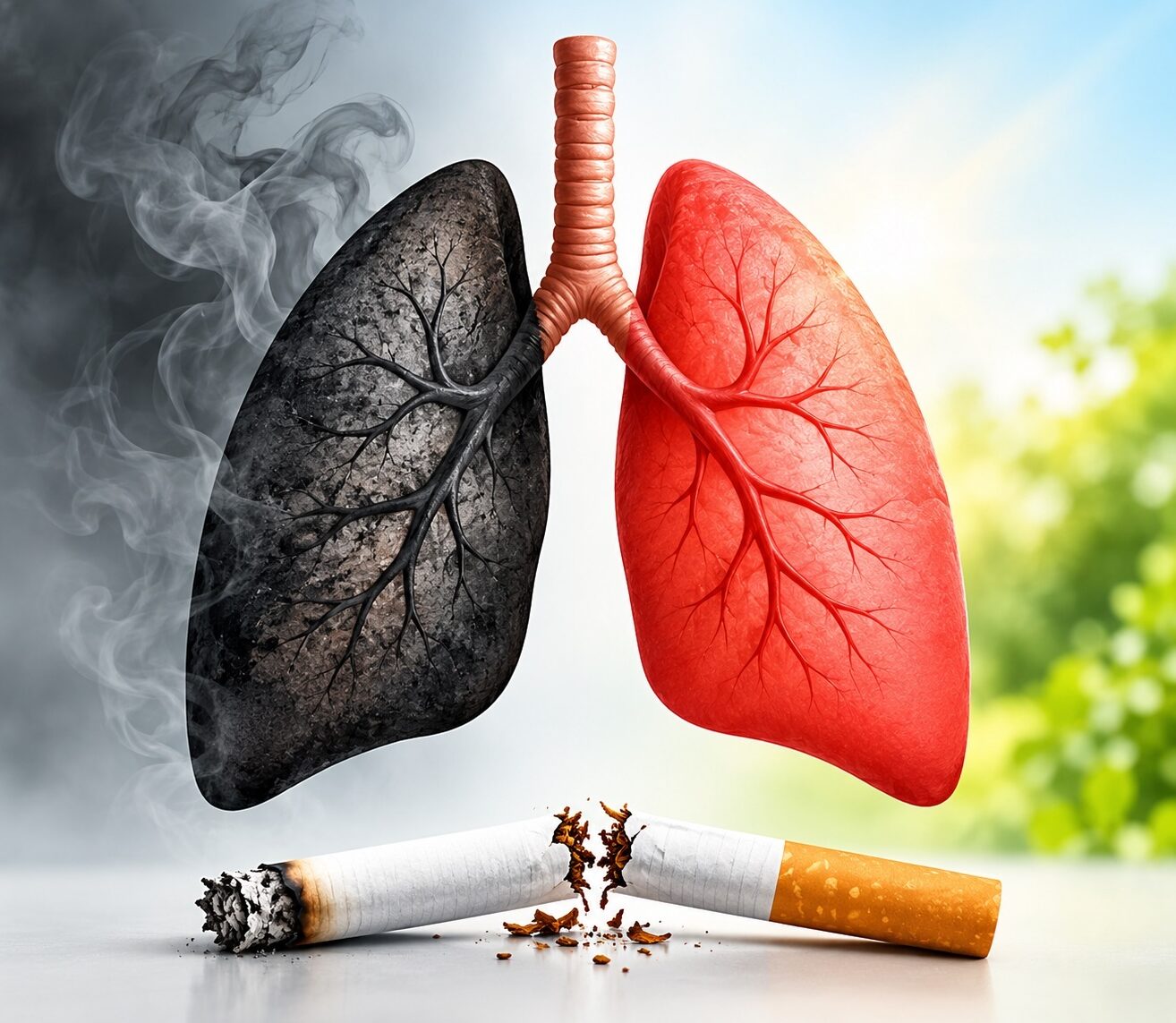
The health consequences of smoking begin long before serious illness becomes visible. Tobacco smoke can damage the respiratory system, affect cardiovascular health and contribute to cancers. It also affects the teeth, gums, skin and sense of smell. Nicotine creates dependence, and when regular users attempt to stop, they may experience irritability, anxiety, restlessness, difficulty sleeping and strong cravings. This cycle of dependence is one reason why tobacco cessation requires not only personal determination but also counselling, medical support and a supportive social environment.
Another serious concern is the exposure of non-smokers to second-hand smoke. Family members, children, colleagues and other members of the public can be affected when smoking takes place in enclosed or public spaces. Protecting people from second-hand smoke is therefore not merely an individual matter; it is a broader responsibility involving families, institutions, businesses and public authorities.
Jammu and Kashmir has already undertaken several measures aimed at reducing tobacco consumption. The enforcement of the Cigarettes and Other Tobacco Products Act, 2003, restrictions on smoking in public places, awareness programmes and tobacco-control initiatives are important components of this effort. National tobacco-control rules also prohibit the sale of tobacco products to minors and prohibit tobacco sales within 100 yards of educational institutions. Electronic cigarettes are separately prohibited under the 2019 law.
The present approach to tobacco control, however, needs to go beyond enforcement alone. Punishment and fines can discourage violations, but long-term success depends upon changing social attitudes towards tobacco. A young person who sees smoking as fashionable, modern or a symbol of independence may eventually become a regular consumer. This makes prevention among adolescents and young adults particularly important.
Educational institutions have a crucial role to play in this regard. Schools and colleges can create environments where tobacco use is openly discussed as a public-health issue rather than treated as a normal part of growing up. The national tobacco-control programme continues to promote tobacco-free educational institutions, and official programme data list hundreds of such institutions in the Kashmir Division.
The challenge is also changing with the wider transformation of the tobacco and nicotine environment. Young people today are exposed to information and commercial content through social media and digital platforms, making awareness campaigns increasingly important in the online space. Tobacco-control messaging therefore needs to communicate through the same modern channels that influence young people’s choices. Awareness campaigns should be factual, engaging and continuous rather than limited to occasional observances or formal programmes.
Rural and urban areas also require approaches suited to their respective circumstances. Available survey data have shown differences in the pattern of tobacco consumption between rural and urban populations, with smokeless tobacco and certain smoking products remaining important concerns in rural areas. This means that tobacco-control programmes cannot depend upon a single strategy. Community-level awareness, involvement of local institutions and easily accessible cessation support are essential for reaching people beyond major towns and cities.
The connection between tobacco and tuberculosis is another important concern for Jammu and Kashmir and the wider country. Tobacco use increases the risk of developing tuberculosis and can complicate recovery and treatment. Integrating tobacco cessation with tuberculosis services can therefore provide an important opportunity to address two public-health concerns together.
At the same time, there is reason for optimism. India’s tobacco-control programme has established tobacco cessation centres and counselling services, while the national programme provides a toll-free tobacco quitline. Current programme reporting also shows continued use of tobacco cessation counselling and pharmacotherapy services in Jammu and Kashmir, indicating that cessation support is becoming an important component of tobacco control rather than relying exclusively on enforcement.
For an individual smoker, quitting may appear difficult, particularly when nicotine dependence has become established. But quitting is possible, and seeking professional assistance can make the process more manageable. Preparing a quit date, identifying situations that trigger smoking, seeking support from family and friends, and using professional counselling or appropriate treatment can all contribute to successful cessation.
The message for young people is particularly important: it is far easier to avoid tobacco than to overcome dependence after it has become established. Parents, teachers and community leaders can help by creating environments in which smoking and tobacco use are not normalised. A child who grows up in a tobacco-free environment is more likely to understand that health, fitness and self-respect are far more valuable than a habit that can eventually control one’s life.
Jammu and Kashmir’s natural beauty and cultural identity are among its greatest strengths. Creating cleaner public spaces and healthier communities should be part of that identity. Tobacco-free educational institutions, tourist destinations, workplaces and public places can contribute not only to better health but also to a stronger culture of public responsibility.
The fight against tobacco cannot be won through government action alone. It requires the combined efforts of individuals, families, schools, healthcare professionals, civil society, local authorities and the media. Enforcement must continue, but it should be accompanied by sustained awareness, accessible cessation services and stronger protection for children and young people.
Life is indeed better without smoke. Quitting may not always be easy, but every attempt is a step towards better health. The most important decision is to begin—and for those who have not yet started, the best decision is never to start at all.
The author is a senior analyst and environmentalist. Feedback can be sent to m.hanief@gmail.com. Twitter/X: @haniefmha


