


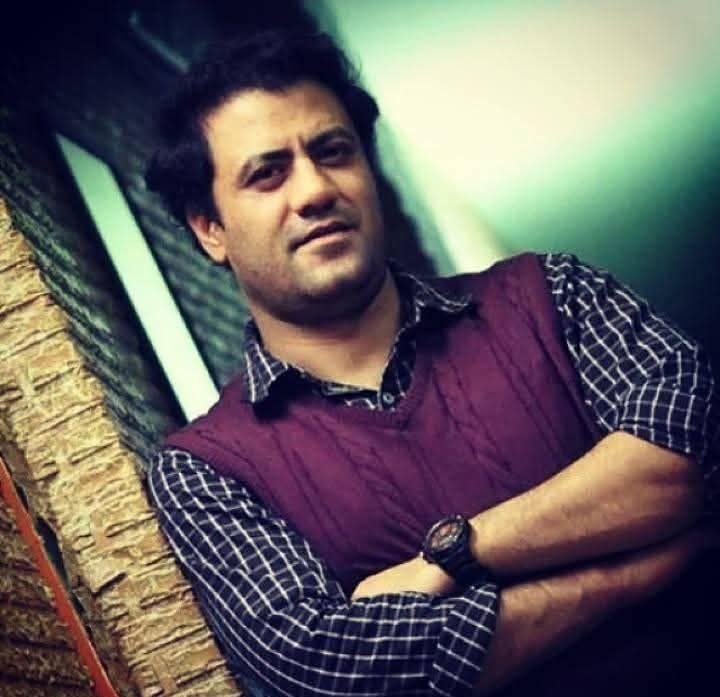
Hailing from the heart of Kashmir, Ali Emran has emerged as a pioneering filmmaker whose work seamlessly bridges the philosophical with the emotional. Since his directorial debut in 2006, Emran has steadily carved a unique place for himself in the landscape of South Asian independent cinema. His body of work transcends traditional cinematic frameworks, offering profound meditations on identity, spirituality, cultural heritage, and the human condition.
In a region where filmmaking has historically faced infrastructural and cultural limitations, Emran stands as a transformative force. With a clear artistic vision and unwavering dedication, he is actively reshaping the cinematic narrative of Kashmir.
Early Work and Debut
Emran’s first foray into filmmaking began with The Ninth Act (2006), an experimental short film exploring the effects of globalization on downtown Srinagar. Blending documentary realism with narrative fiction, the film signaled Emran’s interest in addressing complex socio-economic themes with subtlety and insight. It set the tone for a career rooted in intellectual engagement and cinematic experimentation.
A Cinematic Milestone: Qouluf, The Ensorcelled
Emran’s breakthrough came with Qouluf, The Ensorcelled, a Kashmiri-language feature film that journeys into the mystical traditions of Kashmir. Through the protagonist’s internal and external quest for spiritual meaning, Qouluf delves into metaphysical questions with lyrical finesse. The film made history by becoming the first Kashmiri-language feature to be screened in a cinema hall in Kashmir in over 60 years, premiering on 4th October 2024. It was subsequently featured at the Kolkata International Film Festival and the India Habitat Centre Film Festival, earning national recognition for its cinematic and cultural significance.
Ibtida: A Bold Adaptation
In 2012, Emran ventured into bold new territory with Ibtida, The Beginning, an Urdu-language adaptation of Ayn Rand’s The Fountainhead the production of this film was completed in 2015. Set against the socio-political backdrop of Kashmir, the film explores themes of artistic integrity, individualism, and the struggle against conformity. Ibtida was widely appreciated on the festival circuit for its provocative narrative and stylistic innovation, reinforcing Emran’s standing as a filmmaker unafraid to interrogate ideological complexities.
Championing Folk Culture: Baand, The Musical Journey of an Artist
His latest feature, Baand, The Musical Journey of an Artist (2025), is a cinematic homage to Baand-e-Pather, the traditional folk theatre of Kashmir. The film not only documents a vanishing art form but also celebrates the resilience of Kashmiri performers who continue to preserve their cultural legacy amid rapid societal change. This work furthers Emran’s commitment to cultural preservation through storytelling.
Expanding the Canvas: Shorts and Documentaries
Emran’s oeuvre includes several short films and documentaries that demonstrate his thematic versatility and formal daring. Know Me (2014), an experimental short exploring self-realization through minimalist storytelling, was selected for competition at the Mumbai International Film Festival. His documentary Baand-e-Jashn (2014) similarly reflects his deep-rooted concern for Kashmir’s folk traditions.
In Tasavuf (2015), Emran offers an intimate look at the Sufi traditions of Kashmir, presenting spiritual philosophy through a culturally grounded lens. The film stands as a testament to his skill in fusing ethnographic research with poetic cinema.
Upcoming Projects: Investigative Spirituality and Myth
Looking ahead, Emran is working on two ambitious documentary films, both slated for release in 2025: Jesus & Kashmir and End Time Priest-King. The former investigates the contentious theory of Jesus Christ’s presence in Kashmir, while the latter delves into shared apocalyptic prophecies across global faiths. These projects further his commitment to historically informed, research-based storytelling that challenges mainstream narratives.
Theatrical Endeavors
Beyond the screen, Emran has also made significant contributions to theater, particularly through direction and choreography. His choreographed play Dream Sellers, staged at New Delhi’s Stein Auditorium, showcased his talent for integrating music, movement, and narrative. His stage adaptation of Agha Shahid Ali’s iconic poetry collection The Country Without a Post Office, performed at Kamani Auditorium, demonstrated a nuanced understanding of literary transformation into performative space.
Other theatrical highlights include The Witches of Macbeth and Toba Tek Singh, the latter a satirical reimagining of Saadat Hasan Manto’s classic story. These productions reflect Emran’s range as a director and his ability to navigate diverse literary, political, and cultural terrains.
Legacy and Ongoing Vision
Ali Emran’s work is marked by a rare synthesis of emotional depth, philosophical rigor, and cultural authenticity. His films and stage productions serve not only as artistic expressions but also as tools of reflection and resistance, examining the layered realities of Kashmiri society while engaging with universal human experiences.
With a new untitled feature film in development—centered on themes of unity in diversity—Emran continues to evolve as an artist. His voice remains one of the most compelling in regional cinema, rooted in Kashmir yet resonating globally. Whether through the lens of a camera or on the stage, Ali Emran’s storytelling consistently challenges audiences to reflect, engage, and awaken to the world around them.


