


Mohammad Hanief
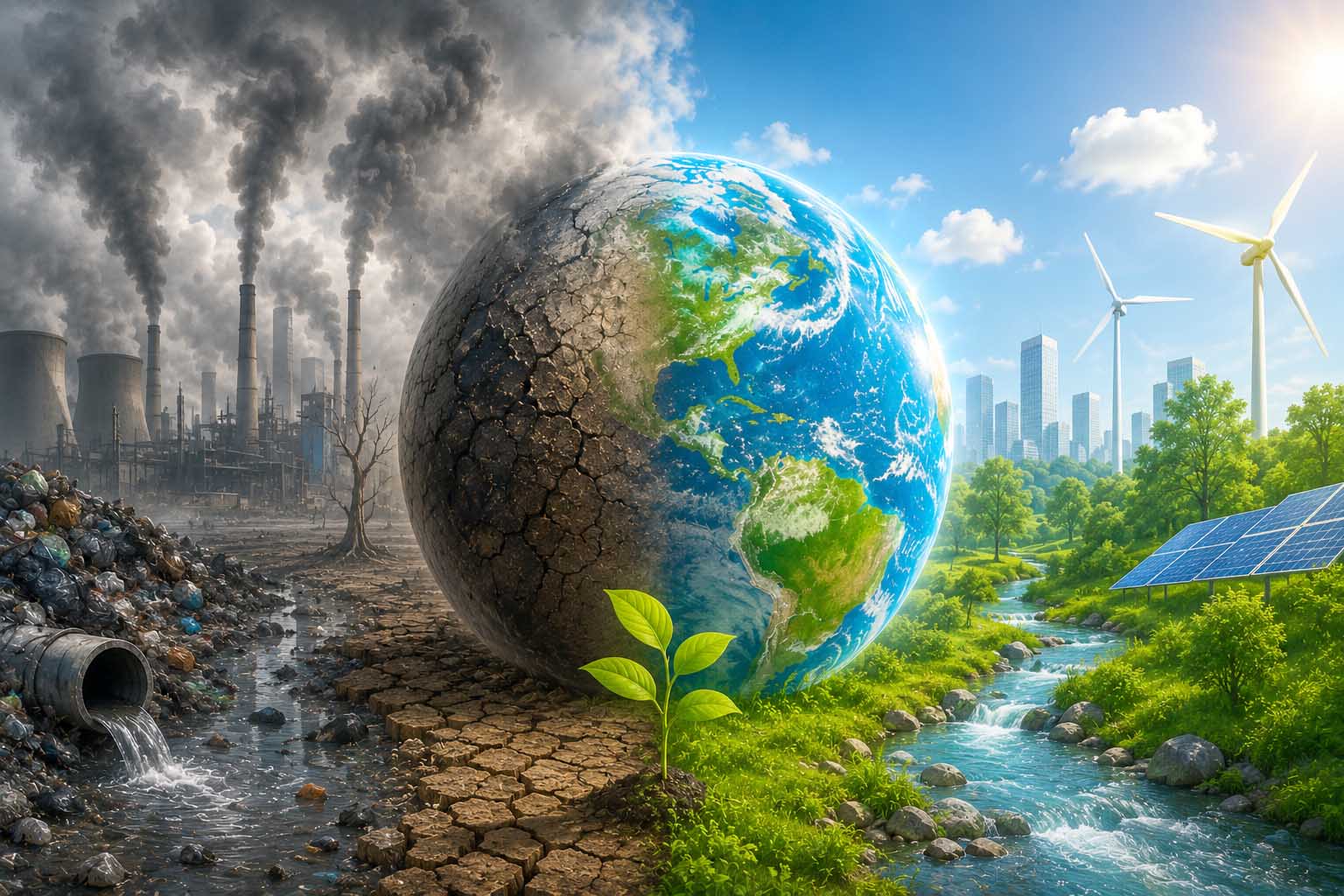
Environmental hazards have emerged as one of the defining challenges of the twenty-first century. Across the globe, communities are increasingly facing the consequences of environmental degradation in the form of extreme weather events, polluted air and water, shrinking forests, declining biodiversity, and mounting waste. What were once considered isolated environmental concerns have evolved into interconnected crises that threaten public health, economic development, and the future sustainability of human civilization. As nations strive to achieve growth and prosperity, the challenge of balancing development with environmental protection has become more urgent than ever before.
The environment serves as the foundation of life on Earth. Clean air, freshwater resources, fertile soil, forests, oceans, and biodiversity provide essential services that sustain societies and economies. However, decades of rapid industrialization, urban expansion, overconsumption of natural resources, and unsustainable practices have placed unprecedented pressure on natural systems. Environmental hazards are no longer confined to specific regions; they have become global in scope, affecting both developed and developing countries alike.
Among the most pressing environmental hazards is climate change. Scientific evidence has consistently shown that human activities, particularly the burning of fossil fuels and large-scale deforestation, have increased greenhouse gas concentrations in the atmosphere. This has resulted in rising global temperatures and significant changes in weather patterns. Climate change is contributing to more frequent and severe heatwaves, floods, droughts, storms, and wildfires, causing widespread damage to communities and ecosystems.
The consequences of climate change are visible across continents. Prolonged droughts are affecting agricultural production and reducing water availability. Floods are destroying homes, infrastructure, and livelihoods, while rising sea levels threaten coastal communities. Extreme weather events have become increasingly common, placing additional pressure on governments and disaster management agencies. These challenges are particularly severe for vulnerable populations who often lack the resources needed to adapt to changing environmental conditions.
Air pollution represents another major environmental challenge. Rapid urbanization, industrial activities, and increasing numbers of vehicles have contributed to declining air quality in many parts of the world. Harmful pollutants released into the atmosphere can have serious consequences for human health. Respiratory illnesses, cardiovascular diseases, and other chronic conditions are often linked to prolonged exposure to polluted air.
The health impacts of air pollution extend beyond physical illness. Research indicates that poor air quality can affect cognitive development in children and contribute to mental health problems. Millions of people living in urban centers are exposed to air pollution levels that exceed recommended safety standards. The economic costs associated with healthcare expenses, reduced productivity, and premature deaths further highlight the magnitude of this challenge.
Water pollution continues to pose significant risks to both human health and the environment. Industrial waste, agricultural runoff, untreated sewage, and plastic debris frequently contaminate rivers, lakes, and oceans. Access to clean drinking water remains a challenge for many communities, particularly in developing regions. Polluted water contributes to the spread of diseases and undermines efforts to improve public health and sanitation.
Aquatic ecosystems are also suffering from the effects of contamination. Excessive nutrient pollution can lead to harmful algal blooms that reduce oxygen levels in water bodies and threaten aquatic life. Toxic chemicals and heavy metals can accumulate in fish and other organisms, disrupting food chains and affecting biodiversity. The degradation of freshwater and marine ecosystems highlights the need for stronger environmental regulations and improved waste management practices.
Plastic pollution has become one of the most visible symbols of environmental degradation. The convenience and affordability of plastic products have led to widespread use across industries and households. However, inadequate waste management systems have allowed enormous quantities of plastic waste to enter the environment. Oceans, rivers, forests, and urban areas are increasingly burdened by discarded plastic materials.
Marine life is particularly vulnerable to plastic pollution. Sea turtles, fish, birds, and marine mammals often ingest plastic debris or become entangled in waste. The growing presence of microplastics in water sources and food chains has raised concerns about potential impacts on human health. Addressing plastic pollution requires comprehensive strategies that promote recycling, reduce single-use plastics, and encourage sustainable alternatives.
Deforestation remains another critical environmental hazard. Forests play a vital role in regulating climate, conserving biodiversity, and protecting watersheds. Yet large areas of forest continue to be cleared for agriculture, infrastructure projects, mining, and urban development. The loss of forests reduces the planet’s ability to absorb carbon dioxide and contributes to climate change.
Deforestation also has significant ecological consequences. Many species depend on forests for survival, and habitat destruction is one of the leading causes of biodiversity loss. Indigenous communities and rural populations that rely on forests for their livelihoods often face social and economic challenges when these ecosystems are degraded. Protecting forests is therefore essential not only for environmental conservation but also for human well-being.
The decline of biodiversity has become a growing concern among scientists and conservationists. Species extinction rates are occurring at levels far above natural background rates. Habitat destruction, pollution, climate change, invasive species, and overexploitation of natural resources are contributing to the loss of plant and animal species worldwide.
Biodiversity is essential for maintaining healthy ecosystems. Pollination, nutrient cycling, water purification, and soil fertility are among the many ecosystem services supported by diverse biological communities. The loss of biodiversity weakens ecosystem resilience and reduces the ability of natural systems to recover from disturbances. Ultimately, biodiversity loss threatens food security, economic stability, and environmental sustainability.
Chemical pollution presents additional environmental and public health challenges. Industrial chemicals, pesticides, heavy metals, and hazardous waste can persist in the environment for long periods, contaminating soil, water, and air. Exposure to toxic substances has been linked to a variety of health problems, including cancer, neurological disorders, reproductive issues, and developmental abnormalities.
The management of chemical pollution requires effective regulatory frameworks, improved monitoring systems, and greater accountability from industries. Many countries continue to face challenges in controlling hazardous waste and ensuring the safe disposal of toxic materials. Strengthening environmental governance is essential to minimizing the risks associated with chemical contamination.
Urbanization has further intensified environmental pressures. As cities continue to grow, demand for energy, water, housing, and transportation infrastructure has increased significantly. Urban expansion often results in the loss of green spaces and natural habitats, while traffic congestion and industrial activities contribute to pollution. Managing sustainable urban growth remains a major challenge for policymakers worldwide.
Waste generation has become another pressing concern. Increasing consumption levels have resulted in growing volumes of municipal, industrial, and electronic waste. Improper disposal practices can contaminate soil and water resources and contribute to environmental degradation. Developing efficient waste management systems and promoting circular economy approaches are important steps toward reducing environmental impacts.
One of the greatest difficulties in addressing environmental hazards is their interconnected nature. Climate change influences water availability, biodiversity, and agricultural productivity. Deforestation contributes to greenhouse gas emissions and habitat loss. Pollution affects ecosystem health and human well-being simultaneously. Because these issues are closely linked, effective solutions require integrated and coordinated approaches.
Despite the scale of these challenges, opportunities for positive change remain. Advances in renewable energy technologies, sustainable agriculture, environmental monitoring, and conservation practices are providing new tools for addressing environmental problems. Governments, businesses, researchers, and civil society organizations are increasingly recognizing the importance of sustainability and environmental stewardship.
Public awareness has also grown significantly in recent years. Citizens around the world are becoming more conscious of environmental issues and are demanding stronger action from policymakers and industries. Individual actions such as reducing waste, conserving energy, supporting sustainable products, and participating in environmental initiatives can collectively contribute to meaningful change.
The environmental hazards facing humanity are serious, but they are not insurmountable. Scientific knowledge, technological innovation, and international cooperation provide a foundation for addressing these challenges. The decisions made today will shape the environmental conditions experienced by future generations.
Protecting the environment is no longer an option but a necessity. A sustainable future depends upon the ability of societies to balance economic growth with environmental responsibility. As the world confronts increasingly complex environmental hazards, collective action, informed policymaking, and long-term commitment will be essential to safeguarding the planet and ensuring a healthier future for all.
The author is a senior analyst and environmentalist. Feedback can be sent to m.hanief@gmail.com. Twitter/X: @haniefmha


