


Dr. Reyaz Ahmad
We live in an age where intelligence is celebrated like never before. Machines can write essays, generate images, solve complex problems, diagnose patterns, translate languages, and answer questions within seconds. Human beings, too, take pride in their intelligence. We build cities, fly aircraft, explore space, decode genes, and create digital networks that connect the world. Yet one uncomfortable truth remains: intelligence does not always lead to wisdom. Sometimes, intelligence becomes the very tool through which we create our greatest illusions.
This is the warning our time urgently needs to hear. Human intelligence is extraordinary, but it is also dangerous when it is not guided by truth, humility, ethics, and responsibility. A clever mind can discover medicine, but it can also manufacture poison. A smart society can build universities, but it can also spread propaganda. A powerful technology can connect people, but it can also divide them into angry tribes. Intelligence gives us power; wisdom teaches us how to use that power.
The modern world is drowning in information. Every day, millions of posts, videos, articles, opinions, advertisements, political messages, religious claims, and artificial intelligence-generated answers compete for our attention. We often assume that more information means more knowledge. But this assumption is false. Information is not the same as truth. Truth is only a small subset of information. Much of what surrounds us is incomplete, biased, exaggerated, manipulated, or simply false.
This distinction is very important. A rumor is information, but it is not truth. A conspiracy theory is information, but it is not truth. A beautifully designed fake video is information, but it is not truth. A confident answer generated by artificial intelligence is information, but it is not necessarily truth. In the digital age, falsehood does not appear weak or ugly. It often appears polished, emotional, attractive, and convincing. That is why it spreads faster than careful truth.
Human beings are not only intelligent creatures; we are also storytelling creatures. We do not merely observe the world—we interpret it through stories, beliefs, identities, fears, hopes, and loyalties. These stories can inspire courage and cooperation, but they can also produce dangerous delusions. History is full of examples where intelligent people believed terrible falsehoods because those falsehoods served their pride, politics, religion, race, nation, or ideology. Intelligence did not protect them from error. In some cases, intelligence helped them justify the error more powerfully.
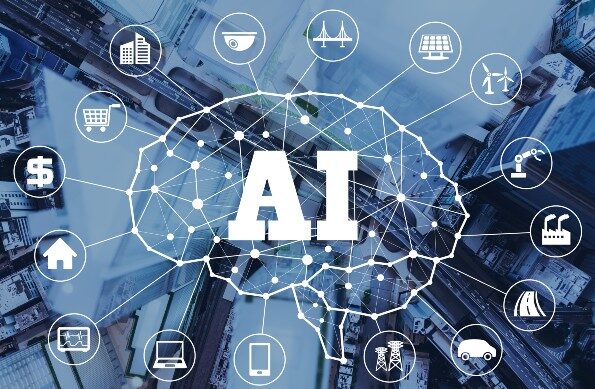
This is why the rise of artificial intelligence should not be seen only as a technological issue. It is a moral and civilizational issue. AI can produce information at a scale humanity has never seen before. It can write persuasive arguments, create realistic images, imitate voices, summarize books, generate fake news, and influence public opinion. But AI does not automatically know wisdom. It does not possess conscience. It does not feel responsibility. It can process data, but it cannot replace moral judgment.
The danger is not simply that machines may become too intelligent. The deeper danger is that humans may become too lazy in the presence of intelligent machines. When people stop questioning, verifying, reflecting, and thinking independently, technology becomes a substitute for conscience. We may begin to accept whatever appears on the screen because it sounds fluent, modern, and confident. This is the beginning of intellectual slavery: not slavery by force, but slavery by convenience.
In education, this danger is already visible. Students can now generate assignments without understanding the topic. Teachers can produce materials without deep engagement. Institutions may become impressed by polished output rather than genuine learning. If education becomes only the production of information, it will fail its highest purpose. The purpose of education is not to fill minds with data, but to develop judgment, character, curiosity, discipline, and responsibility. A student who knows how to ask good questions is more educated than a student who merely copies perfect answers.
In politics, the problem becomes even more serious. Public opinion can be shaped by slogans, emotional videos, edited clips, fake statistics, and algorithmic manipulation. People may vote, protest, hate, or support policies based on information they never verify. A society that cannot distinguish truth from noise becomes easy to control. Democracy needs informed citizens, not merely connected users. Freedom of speech becomes meaningful only when citizens also develop responsibility of thought.
In religion and culture, misinformation can become even more dangerous because it touches identity and emotion. A false message, a misquoted statement, or a manipulated video can inflame communities within minutes. People may forward harmful content in the name of faith, patriotism, or justice, without checking whether it is true. Good intention does not make false information harmless. A lie forwarded with sincerity is still a lie, and sometimes it can cause real damage.
The business world is also not free from this crisis. Companies rely on data, analytics, and artificial intelligence to make decisions about markets, customers, employees, and investments. But data without context can mislead. Numbers without ethics can exploit. Efficiency without humanity can damage lives. A business that uses intelligence only to maximize profit but ignores fairness, dignity, and sustainability may appear successful in the short term, but it contributes to long-term social decay.
So what is the solution? The answer is not to reject technology. Artificial intelligence is not an enemy by itself. Like every powerful tool, it depends on how we use it. The real solution is to build wisdom around intelligence. We need critical thinking in schools, media literacy in homes, ethical training in universities, responsibility in journalism, transparency in technology, and humility in public life.
Every citizen must learn a few simple habits. Do not believe everything immediately. Check the source. Compare information from different places. Ask who benefits from this message. Be careful with emotional content because anger and fear often weaken judgment. Do not forward messages only because they agree with your beliefs. Before sharing anything, ask: Is it true? Is it necessary? Is it responsible?
Parents must teach children that the internet is not a teacher by default. It is a marketplace of truth, half-truth, opinion, entertainment, manipulation, and noise. Teachers must help students use AI as a tool for learning, not as a shortcut to avoid learning. Journalists must defend verification against speed. Religious and community leaders must discourage emotional misinformation. Governments and institutions must protect society from digital manipulation without suppressing legitimate freedom.
Above all, we must recover intellectual humility. The most dangerous person is not the one who does not know; it is the one who does not know but thinks he knows everything. True wisdom begins with the courage to say, “I may be wrong.” It grows when we listen carefully, examine evidence, respect complexity, and remain open to correction.
The age of artificial intelligence will test humanity not only technologically, but morally. We may produce more information than any generation before us, yet become less wise. We may build smarter machines while becoming shallower humans. We may win the race of speed but lose the discipline of truth.
The future will not belong merely to the most intelligent societies. It will belong to the wisest societies—those that know how to separate truth from noise, knowledge from illusion, and power from responsibility. Intelligence can take us far, but only wisdom can tell us where we should go.
In the end, the greatest challenge before humanity is not whether machines can think. The greater question is whether humans will continue to think deeply, honestly, and responsibly in a world where machines can speak so easily.
Author Can Be Mailed At reyaz56@gmail.com


